
Skip to content

Visible Particle Identification in Pharmaceutical Products

Streamlining Particle Root‑Cause Investigations


Visible Particle Identification
Related Articles
Facility material libraries
Building a facility particle library is the foundation for effective particle control and a risk-based approach to quality management.
Visible Particle Identification
From particle isolation and ID to facility-relevant data interpretation
Visual Inspection Test Sets
Design, manufacturing, qualification and certification of visual inspection test sets

Control & Investigation of Visible Particulates in Injectable Drugs

Ensuring the safety and efficacy of parenteral drug products is a critical responsibility for pharmaceutical manufacturers. Among the most significant quality challenges is the presence of visible particulate matter, which remains a frequent cause of regulatory audit findings and product recalls. To protect patient safety and to demonstrate GMP process control, health authorities including the FDA, EMA, and PMDA mandate that visible particles in injectable products be controlled and properly investigated.

Origins and Types of Particulate Contamination

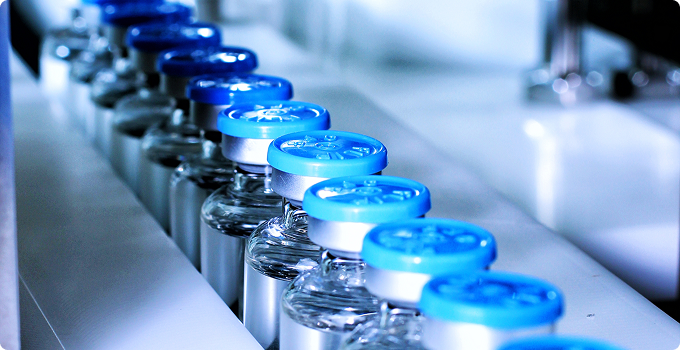
Visible particles are defined as mobile, undissolved materials other than gas bubbles that can be seen by the naked eye under standardized lighting and background conditions. These particles can originate from multiple sources, including process equipment (e.g., metal shavings), packaging materials (e.g., rubber or glass flakes), protein aggregation, environmental contamination (fibers), or operator-related factors (gowning). Because of their varied composition and the potential implications for product quality and safety, a thorough and scientifically sound strategy for particle characterization and control is essential.

Visible Particle Identification Tool Box

Particle identification is a complex analytical task due to the often mixed or unknown composition of visible particles. At Clear Solutions Laboratories, multiple state-of-the-art methadologies are employed in combination to ensure efficient identification of particles

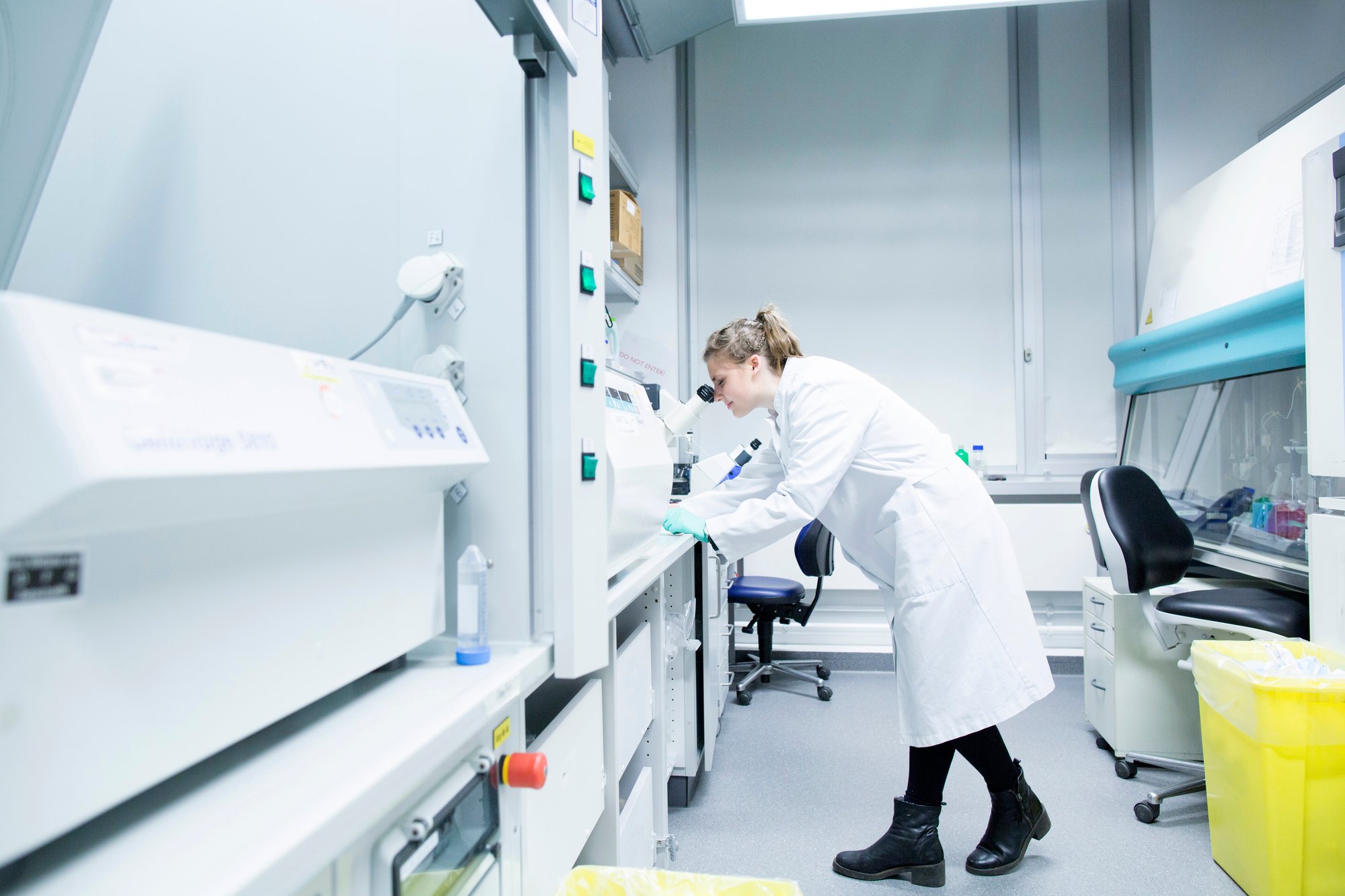
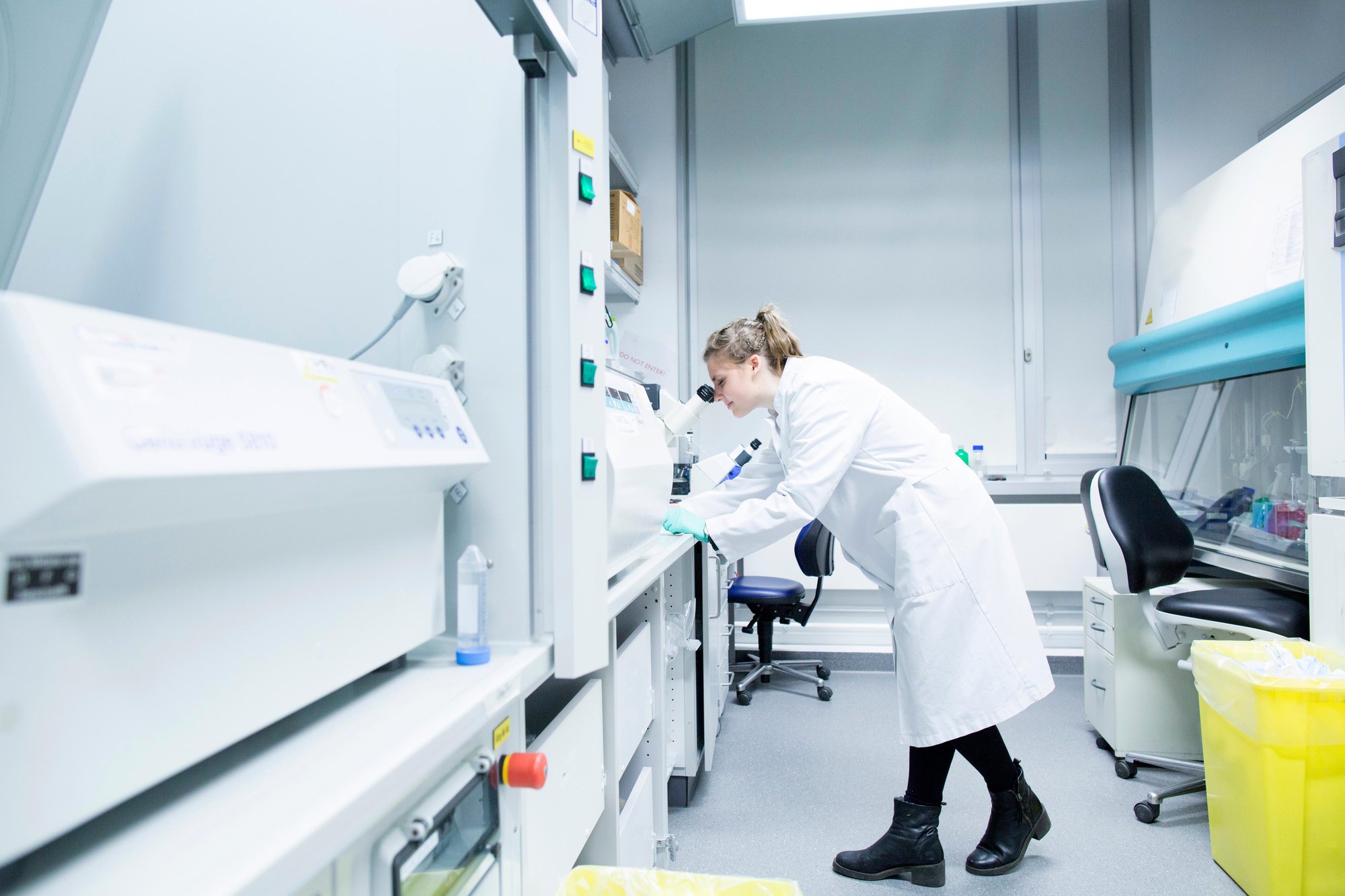
  • Light Microscopy for initial assessment of morphology and size

  • FTIR (Fourier Transform Infrared Spectroscopy) for identifying organic materials

  • Laser Microscopy with LIBS (Laser-Induced Breakdown Spectroscopy) for elemental composition

  • SEM/EDX (Scanning Electron Microscopy with Energy Dispersive X-ray Microanalysis) for high-resolution imaging and material analysis


These methodologies are widely used in forensics and materials science and have been successfully adapted to pharmaceutical applications, such as investigations during stability studies or contamination events on production lines.

Equally important is sample preparation, which must be handled carefully to isolate particles without introducing new contaminants. The integrity of the sample directly impacts the reliability of analytical results. At Clear Solutions Laboratories, tailored sample preparation protocols are designed for each investigation.

Choosing the Right Partner for Particle Root Cause Investigations

  • Deep knowledge of manufacturing processes, product-contact materials, and cleanroom operations

  • Expertise in pharmaceutical quality systems, deviation management, and regulatory compliance

  • Agility in resolving urgent cases with turnaround times of 1–3 days

  • Strong understanding of the global regulatory landscape, ensuring that findings are reported in a manner compliant with health authority expectations


The Need for a Holistic Particle Control Strategy

In summary, managing visible particles in parenteral drugs demands a multidisciplinary approach combining scientific knowledge, technical capability, and regulatory experience. Whether during batch release, stability testing, or routine manufacturing, rapid and thorough visible particle identification is essential for maintaining product integrity and protecting patients.


Video description/title here

Video Thumbnail
×

Visual Inspection Test Sets in Pharma

  • Establishing reliable qualification of manual and automated inspection systems
  • Providing standardized reference sets to train and requalify human inspectors
  • Ensuring realistic representation of product-specific particle risks
  • Supporting statistical evaluation of probability of detection (POD)
  • Reducing risk of recalls by maintaining validated inspection performance
Learn more

Polysorbates in Pharmaceutical Products

  • Highlighting the stabilizing role of PS20 and PS80 in biologic formulations
  • Addressing structural heterogeneity and supplier variability in polysorbates
  • Understanding degradation pathways such as hydrolysis and oxidation
  • Applying advanced analytical tools for polysorbate characterization and control
  • Implementing holistic strategies to prevent particle formation and ensure stability
Learn more

Technical bulletins on visual inspection, particle control and polysorbate degradation


Scientific Precision

Real-World Impact

CLS_Group_

Meet the people behind Clear Solutions Labs – where advanced analytics meets pharmaceutical innovation.

At Clear Solutions Labs, science meets purpose. Our team of experts delivers customized analytical solutions to support pharmaceutical companies in research, development, and quality control. Whether it’s complex formulation testing, spectroscopic data analysis, or regulatory compliance support, we bring clarity to complexity.